The long
way
around.
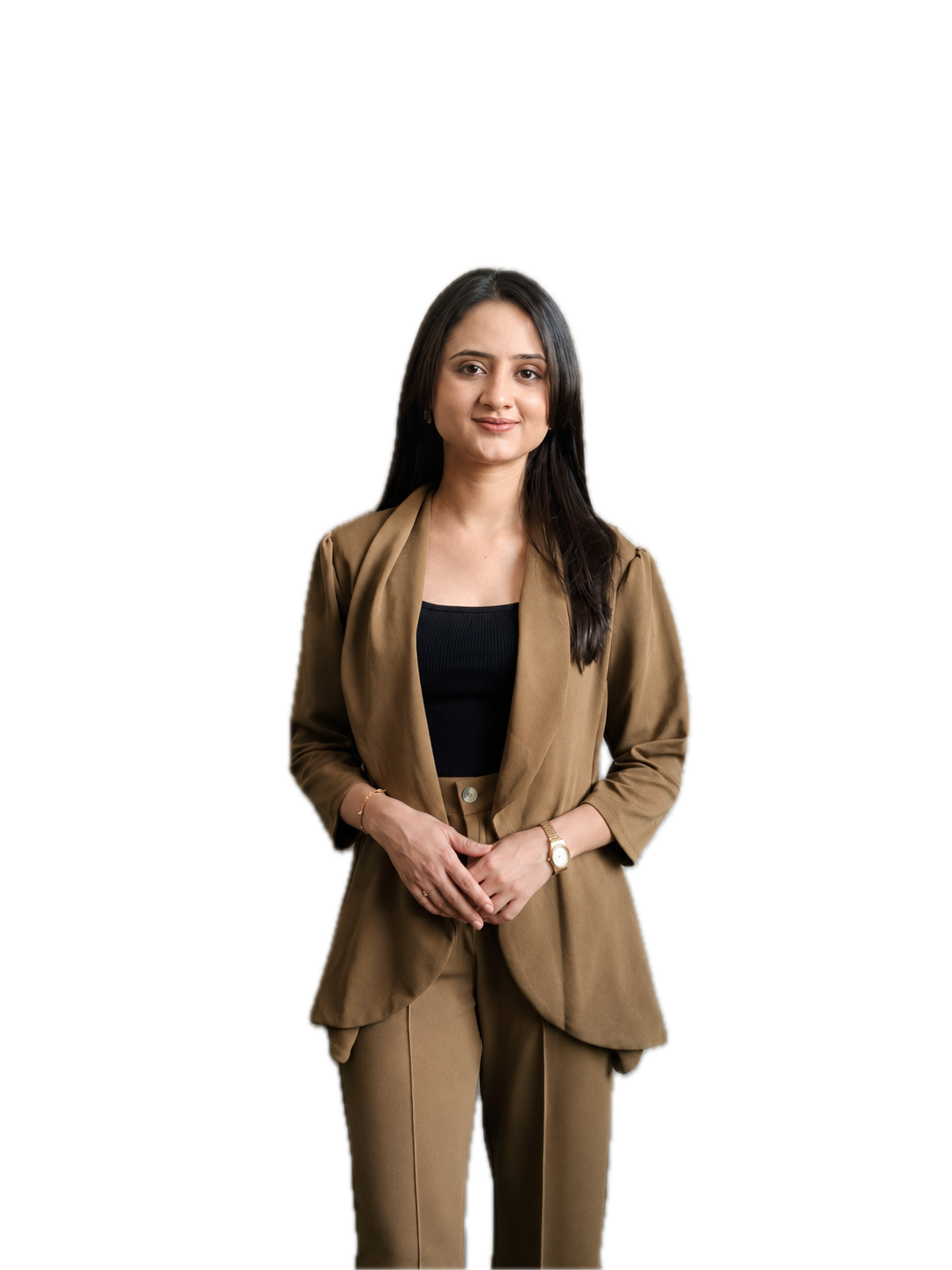
How I Work
A belief that guides my work
"Most users are not struggling because they lack ability. They are struggling because the product expects them to think like the system instead of the other way around."
My work started in graphic design: event posters, brochures, promotional materials for university organizations and local businesses. That work taught me to communicate clearly with limited space and attention.
Over time, I became more interested in the systems people work within than in the artifacts I was producing for them. How people navigate complexity. How decisions get made under pressure. How workflows break in ways that no one officially acknowledges.
That curiosity became UX. Today I focus on user research, information architecture, workflow design, and the specific problem of making complex systems understandable for the people who must use them.
The domain I care about most is the one where getting it wrong has real consequences.
Background and Trajectory
Dec 2024 to Present
UI/UX Designer
Injala
Working across four products: Asuretify, Anzenn, Prequaligy, and Riskguru. User research, Hotjar analysis, session recordings, personas, empathy mapping, IA, wireframing, prototyping, cross-functional collaboration.
2023 to Present
Graphic and UI Designer
Independent Freelance
Official graphic designer for university events and student organizations: event branding, posters, brochures, marketing materials.
Earlier
Systems and QA Intern
LJ University
Evaluated workflows, tested systems, validated data, identified usability issues, suggested improvements.
Earlier
IIPC Coordinator / Asst. TPO
LJ University
Managed placement activities and coordinated communication between students and company representatives.
2023 to 2025
Master of Computer Applications
LJ University
2020 to 2023
Bachelor of Computer Applications
LJ University